🗾 Earthquake Safety Update: My Experience in Fukuoka During the Recent Kumamoto Earthquake
sugidori
FUKUOKA TRAVEL& NOMAD GUIDE
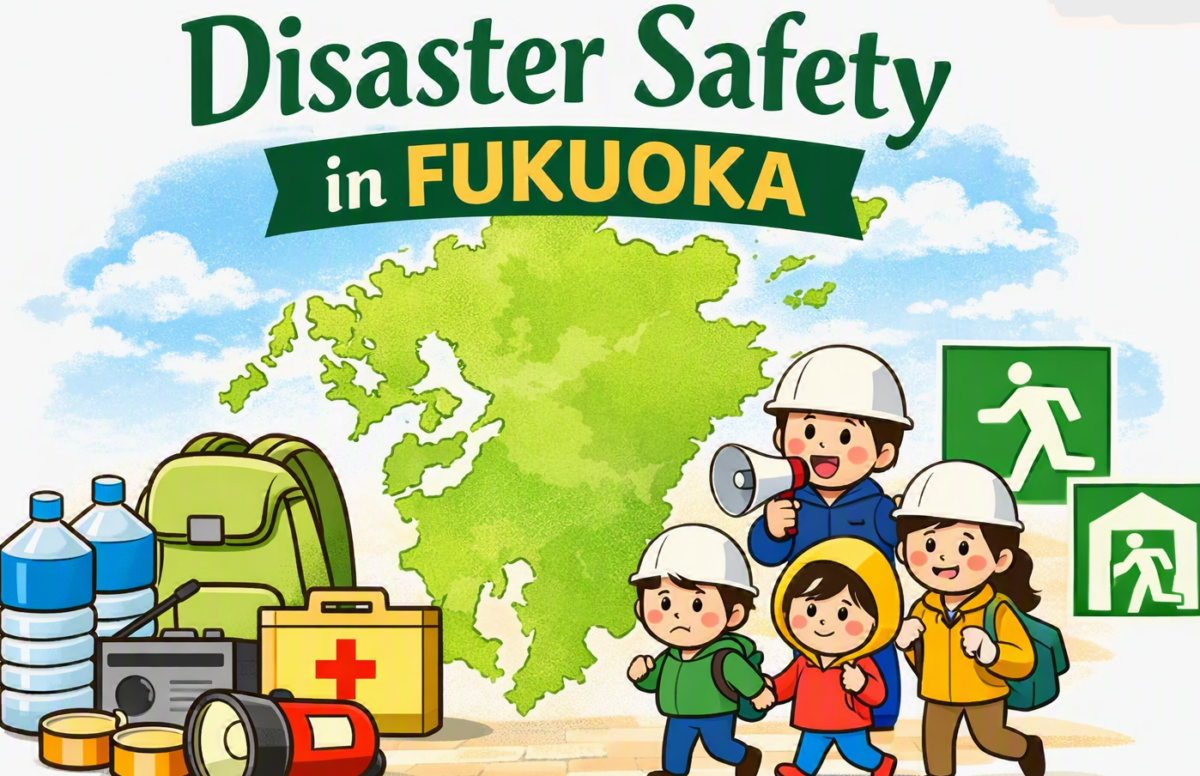
Fukuoka is one of the safest major cities in Japan when it comes to tsunami risk. Unlike coastal cities facing the Pacific Ocean, Fukuoka is located on the calm, enclosed Sea of Japan, where large tsunami events are extremely rare.
This guide explains why Fukuoka is considered safe, what historical data shows, and how travelers can stay informed during their visit.
There are three main reasons:
Most major tsunamis in Japan—such as the 2011 Tōhoku earthquake—were caused by massive offshore faults in the Pacific. The Sea of Japan has far fewer active subduction zones, making large tsunami events unlikely.
Fukuoka has never experienced a major tsunami in recorded history. Small waves have occurred in distant regions of the Sea of Japan, but none have affected Fukuoka City.
Fukuoka’s coastline is shaped like a wide bay, which naturally reduces wave energy. This makes it even less likely for a tsunami to reach the city with force.
Fukuoka does have inland faults—most notably the Kego Fault, which caused the 2005 earthquake. However, inland earthquakes do not generate tsunamis, because they occur beneath land, not the ocean.
👉 Earthquake risk exists, but tsunami risk is extremely low.
For more details:
👉Kego Fault Guide(Under Preparation)
👉 Earthquake Safety in Fukuoka(Under Preparation)
Yes. These areas are safe for visitors.
Even in coastal districts, the risk remains minimal.
Even though the risk is low, it’s smart to stay prepared.
Recommended apps:
These apps ensure you receive real-time information during your stay.
(Extremely rare, but good to know)
In the unlikely event of a tsunami warning:
Fukuoka’s emergency response system is reliable and multilingual.
If you want to understand Japan’s disaster preparedness, you can visit:
This is a great educational experience for travelers who want to feel more confident during their trip.
To summarize:
Fukuoka remains one of Japan’s safest cities for travelers concerned about tsunami hazards.
If you’re concerned about tsunami or earthquake safety, choosing a room on the 3rd floor or higher can provide extra peace of mind. Fukuoka’s hotels are built with modern disaster‑resistant standards, making them safe and reliable for travelers.
Recommended Areas
Recommended Hotels
Safety Tips
👉 Find safe and convenient hotels in Fukuoka here:
For official disaster information in English, you can download the Fukuoka City Disaster Prevention Guide (PDF) provided by Fukuoka City.
👉 https://www.city.fukuoka.lg.jp/bousai/documents/eigo.pdf
津波や地震が心配な方は、3階以上の客室を選ぶとより安心です。 福岡市内のホテルは耐震基準が高く、災害時の対応体制も整っています。
おすすめエリア
おすすめホテル
安全チェックポイント
👉 福岡の安全なホテルを地図でまとめて見る:

[…] 👉Is safe Fukuoka TUNAMI? […]
Thank you for your comment🐤
No place is 100% safe when it comes to natural disasters, but Fukuoka is generally considered one of the safer regions in Japan😊