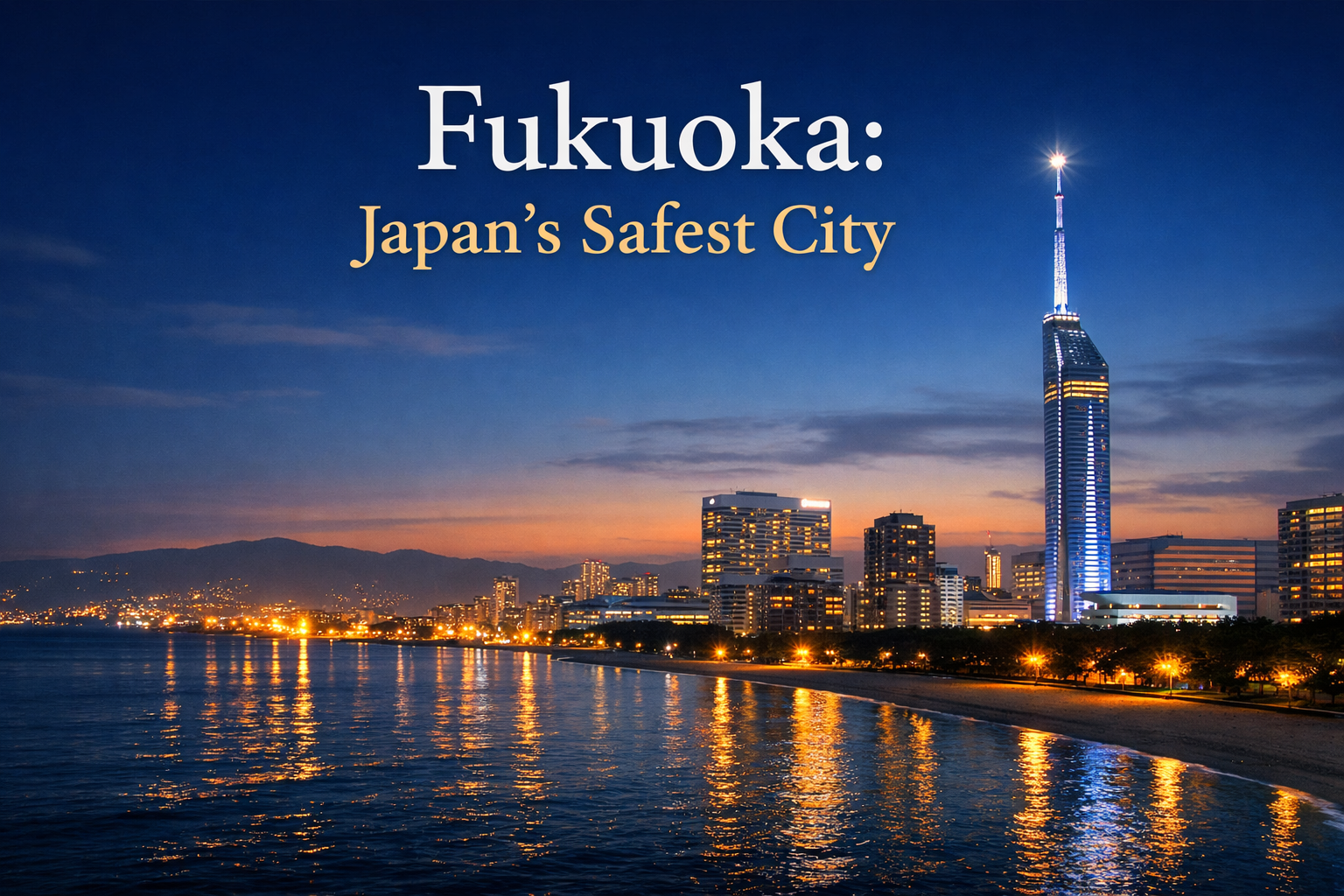
Why Fukuoka Is One of the Safest Major Cities in Japan
— A Deep Dive into Earthquake, Tsunami, and Disaster Risks —
1. Fukuoka Is Outside the Main Tsunami Impact Zone of the Nankai Trough Megaquake
The Nankai Trough earthquake is expected to cause catastrophic tsunami damage along Japan’s Pacific coast. But Fukuoka is not on the Pacific side — it faces the Genkai Sea (Sea of Japan).
- Fukuoka is geographically distant from the Nankai Trough
- Tsunami simulations show much smaller waves (around 1–2 meters) compared to the 10-meter-class waves expected in Pacific cities
- Historically, Fukuoka has had very few major tsunami events
👉 This makes Fukuoka dramatically safer than Tokyo, Osaka, Nagoya, or Shizuoka.
2. The Shape of Hakata Bay Naturally Reduces Tsunami Energy
Hakata Bay is a semi-enclosed, shallow bay with a narrow entrance. This geography naturally weakens incoming waves.
- Tsunami energy dissipates before reaching the city center
- Official hazard maps show no large-scale inundation zones
- Even in worst-case scenarios, the impact is limited
👉 A rare combination: a coastal city that is not highly vulnerable to tsunamis.
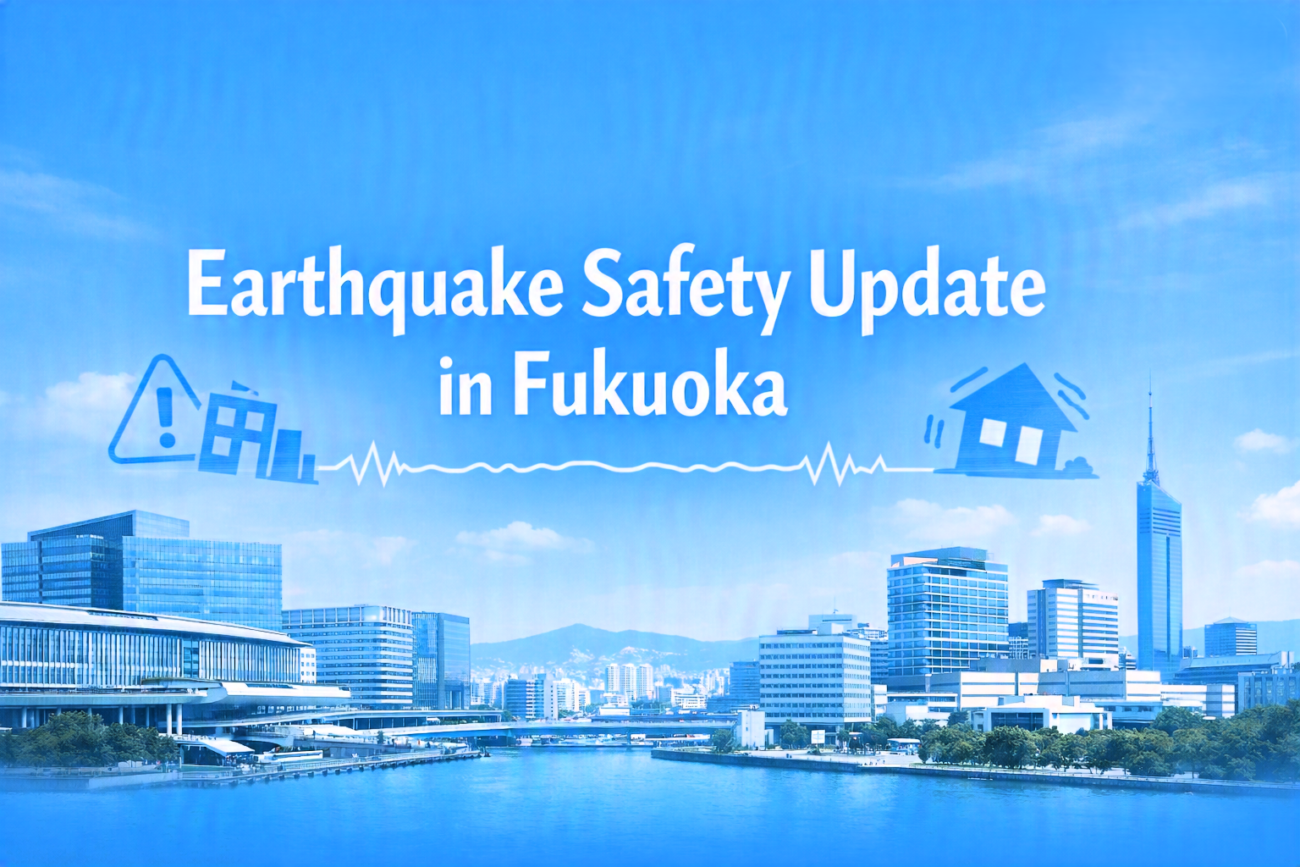
3. Strong Shaking From the Nankai Trough Is Not Expected in Fukuoka
Because of the distance from the epicenter, Fukuoka is not expected to experience the extreme shaking predicted for Pacific-side cities.
- Expected intensity: Shindo 5+ to 6-
- Not the catastrophic Shindo 7 level seen in past major quakes
- Buildings and infrastructure are less likely to suffer widespread collapse
👉 In terms of shaking intensity, Fukuoka is in a safer zone compared to Japan’s largest metropolitan areas.
4. Local Earthquake Risk Exists, but It’s Localized — Not City-Wide Destruction
Fukuoka has the Kego Fault Zone, which caused a notable quake in 2005. However:
- The risk is localized, not a wide-area collapse scenario
- Damage tends to be concentrated in specific districts
- It is fundamentally different from the “megaquake + tsunami” combination threatening the Pacific coast
👉 Fukuoka’s earthquake risk is real, but not on the same scale as Tokyo or Osaka.
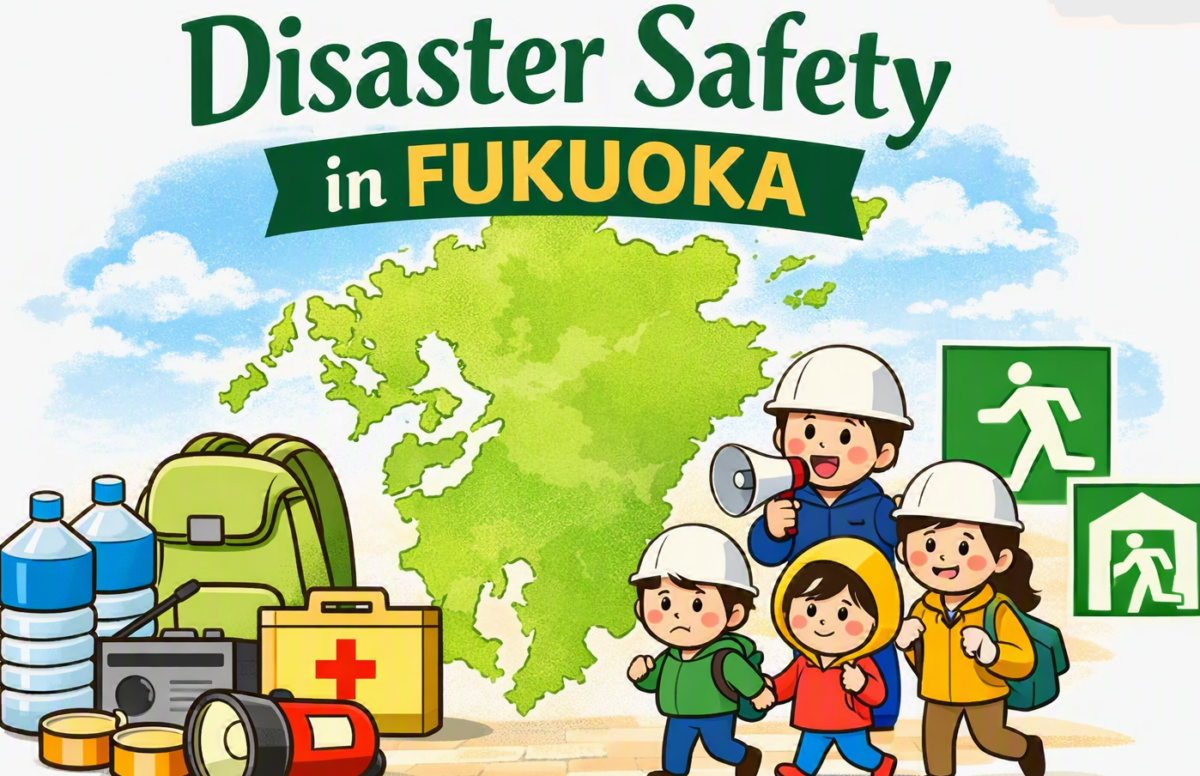
5. Fukuoka’s Disaster Preparedness Is Highly Advanced
The city invests heavily in disaster planning and public information.
- Detailed tsunami hazard maps
- “Shaking intensity” maps for each neighborhood
- English-language disaster information for foreign residents
- Regular city-wide drills and evacuation route planning
👉 Low risk × strong preparedness = one of Japan’s most livable cities.
6. The Safety Gap Compared to Tokyo and Osaka Is Huge
◆ Tsunami Risk
- Tokyo: Up to 10m tsunami possible
- Osaka: Osaka Bay may amplify tsunami waves
- Fukuoka: 1–2m class, limited impact
◆ Earthquake Shaking
- Tokyo/Osaka: High probability of severe shaking
- Fukuoka: Moderate shaking expected, not catastrophic
◆ Liquefaction & Flooding
- Pacific cities: High risk
- Fukuoka: Lower overall hazard levels
👉 For digital nomads, long-term travelers, and expats, Fukuoka offers a uniquely safe environment among Japan’s major cities.
🔥 Conclusion
Fukuoka stands out as one of Japan’s safest major cities — not only because it avoids the worst-case Nankai Trough tsunami scenario, but also because its geography, disaster planning, and moderate seismic risk create a stable environment for living and working.
For anyone considering Japan as a base — especially digital nomads — Fukuoka offers the rare combination of urban convenience and genuine safety.
👉Is safe Fukuoka TUNAMI?
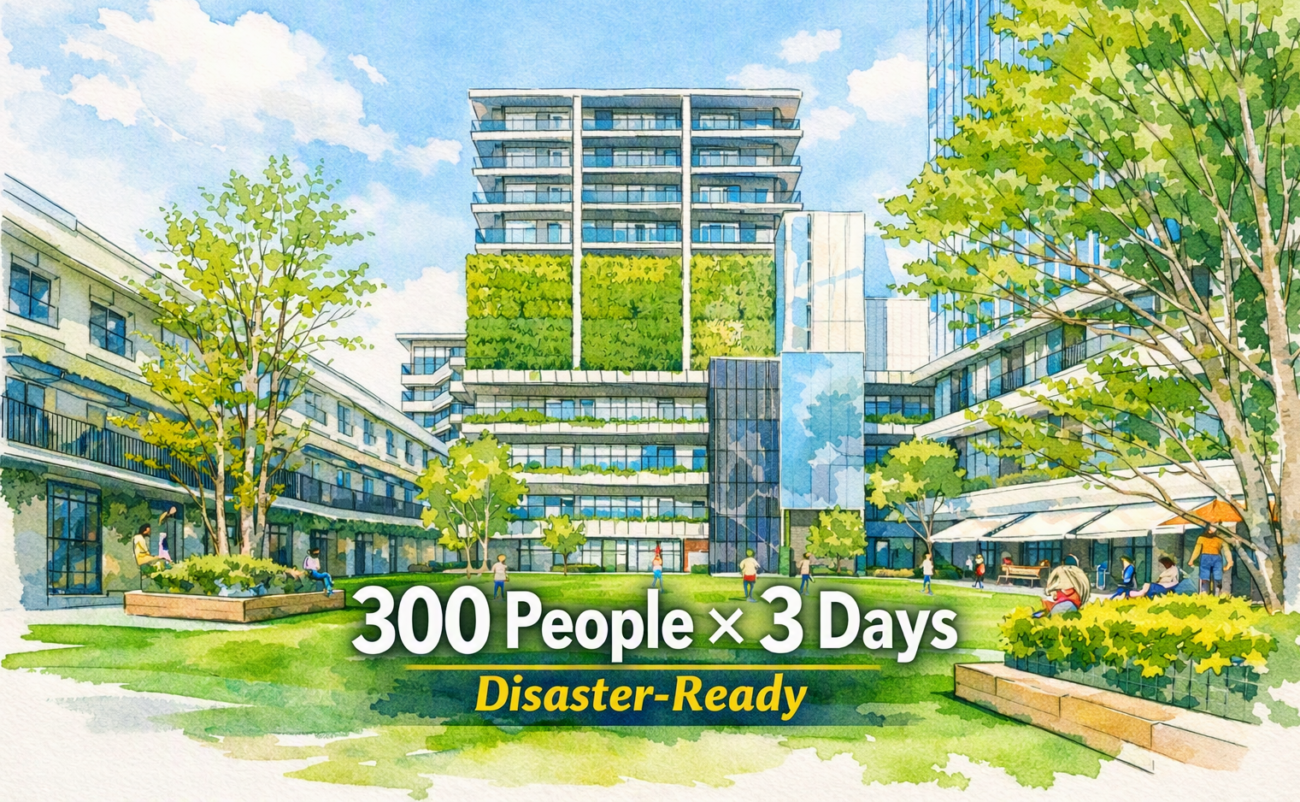
👉300 People × 3 Days: Disaster‑Ready Hotels in Fukuoka
ABOUT ME
Hi, I'm a little yellow bird who loves flowers and exploring. This site is your ultimate guide to traveling and remote working from Fukuoka. I’m here to share the best local spots, cafe workspaces, and travel tips to help you enjoy your stay!

[…] 👉Why Fukuoka Is One of the Safest Major Cities in Japan […]
The reason Fukuoka is considered one of the safest major cities in Japan
is based on actual disaster‑risk data🐤
Tsunami and earthquake risks are relatively low compared to other major cities.